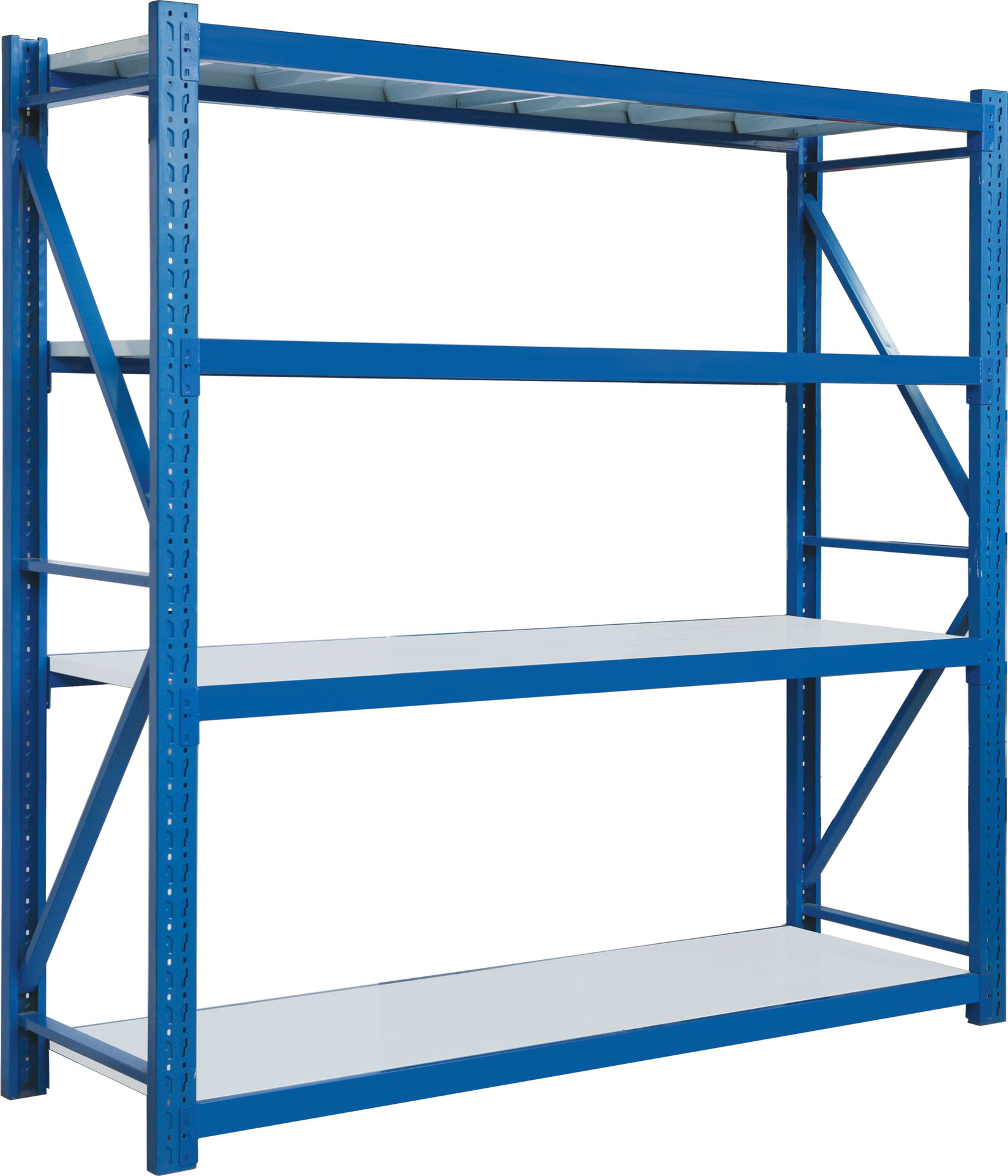
Raw Materials
When heavy-duty shelves are sold, dealers often use the raw materials of the shelves to classify the prices. For example, heavy-duty display shelves made of titanium alloy, steel, aluminum alloy, and stainless steel raw materials are quite common. Raw materials not only determine the load-bearing capacity and functional use of heavy-duty shelves but also affect the costs generated by the production process and technical skills. This also makes the type of raw materials an important factor affecting their prices.
Structural Design
Since most merchants prefer to use heavy-duty warehouse shelves with strong load-bearing capacity and light overall weight, manufacturers often design the overall structure of the shelves by using mechanical principles. A good structural design can not only facilitate the work of users but also enable the shelves to have a longer service life.
Product Specifications
Since the actual needs of consumers are relatively diverse, manufacturers usually produce heavy-duty shelves with multiple specifications in the actual manufacturing process. Generally, under the same processing technology and raw materials, the product specifications are in direct proportion to the price.
As the saying goes, you get what you pay for. Consumers should purchase legal and compliant products according to their own requirements when making purchases and should not fall into fraud traps just because they are blindly greedy for cheapness.